 FFÔN
FFÔN
 CYSYLLTWCH Â NI
Home Fire Extinguisher Selection: A Guide for UK Households
Fire safety in the home is something many people only think about after an incident. Having the right protection in place beforehand can save lives, property, and valuable time during an emergency. A well-chosen home fire extinguisher provides immediate response to small fires, helping prevent them from spreading while the fire brigade is on the way.
In this guide, we’ll explain the different types of fire extinguisher, how to choose the right one for your home, where to place them, and how to ensure proper fire extinguisher maintenance and fire extinguisher servicing. We’ll also look at how we at Snowdonia Fire Protection can support UK homeowners with expert advice, installation, and ongoing compliance.
Why Every Home Should Have a Fire Extinguisher
According to UK fire safety statistics, most domestic fires start in kitchens, followed by electrical faults and heating equipment. While smoke alarms provide vital early warning, they don’t stop a fire from spreading. A home fire extinguisher allows occupants to tackle small fires quickly, but only if the correct type is used safely.
It’s important to understand that fire extinguishers are designed for early-stage fires only. If a fire is spreading rapidly, producing heavy smoke, or blocking escape routes, you should evacuate immediately and call the fire service. Fire extinguishers are a first-response tool, not a replacement for emergency services.
Understanding Fire Classes in the Home
Before choosing a fire extinguisher, it’s helpful to understand the types of fires most likely to occur in domestic settings:
- Class A – Solid combustibles such as wood, paper, and textiles
- Class B – Flammable liquids like petrol, solvents, and oils
- Class C – Flammable gases (rare in homes but possible)
- Class F – Cooking oils and fats (particularly deep-fat fryers)
- Electrical Fires – Involving live electrical equipment (not an official class but highly relevant)
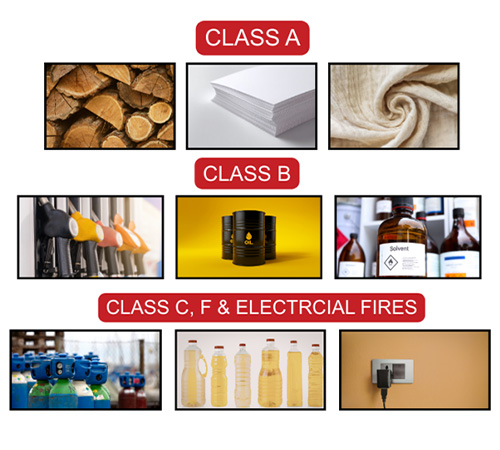
Different extinguishers are designed to deal with different fire classes, and using the wrong type can worsen the situation. For example, water on an electrical fire can cause electric shock.
Types of Home Fire Extinguishers Explained
Let’s explore the most common fire extinguisher types suitable for UK households and where each should be used.
- Water Fire Extinguishers
- Foam Fire Extinguishers
- CO₂ Fire Extinguishers
- Dry Powder Fire Extinguishers
- Wet Chemical Fire Extinguishers
Best for: Class A fires (wood, paper, textiles)
Not suitable for: Electrical fires, cooking oils, or flammable liquids
Water extinguishers cool burning materials and are ideal for living rooms, bedrooms, and hallways where soft furnishings and paper products are common. However, they should never be used near electrical equipment or in kitchens with oil-based fire risks.
Best for: Class A and Class B fires
Not suitable for: Electrical fires (unless clearly marked safe), cooking oil fires
Foam extinguishers are versatile and suitable for fires involving solids and flammable liquids. They are often recommended for garages and utility rooms where petrol, paints, or solvents may be stored.
Some modern foam extinguishers are electrically tested, making them safer around low-voltage equipment, but this should always be verified on the label.
Best for: Electrical fires and Class B liquid fires
Not suitable for: Deep-seated Class A fires or cooking oil fires
CO₂ extinguishers work by displacing oxygen and suffocating the fire without leaving residue, making them ideal for electrical equipment such as fuse boards, appliances, and home offices. However, they don’t cool the fire source, so re-ignition is possible.
They are best placed in home offices, near electrical cupboards, and workshops.
Best for: Class A, B, C, and electrical fires
Not suitable for: Confined indoor spaces unless necessary
Powder extinguishers are highly versatile and effective on multiple fire types, including gas fires. However, they produce dense clouds of powder that can impair breathing, reduce visibility, and cause extensive clean-up damage — making them better suited to garages, sheds, and outdoor areas rather than inside living spaces.
Best for: Class F fires (cooking oils and fats)
Not suitable for: Electrical fires (unless clearly labelled safe)
Correct Placement of Fire Extinguishers in the Home
Proper positioning ensures extinguishers can be accessed quickly without placing users at risk.
General placement guidelines:
- Install extinguishers near exits so you can escape if the fire escalates.
- Avoid placing them directly above cooking appliances where flames could block access.
- Mount them on walls or store them in visible, accessible locations.
- Ensure adults in the household know where extinguishers are kept and how to use them.
Kitchens, garages, boiler rooms, and hallways are the most important areas to consider. Fire blankets should also be included in kitchens as an added safety measure.
How to Use a Fire Extinguisher Safely
If a fire breaks out and you decide it is safe to tackle, remember the PASS technique:
- Pull the pin
- Aim at the base of the fire
- Squeeze the handle
- Sweep side to side
Always keep your back to an exit and never allow the fire to come between you and your escape route. If the fire does not start to reduce immediately, evacuate and call 999.
Fire Extinguisher Maintenance: Why It Matters
Having a fire extinguisher is only effective if it works when needed. Regular fire extinguisher maintenance ensures equipment remains operational, pressurised, and compliant with safety standards.
Basic homeowner checks should include:
- Monthly visual inspections to ensure pressure gauges are in the green zone
- Checking for damage, corrosion, or leaks
- Ensuring safety pins and seals are intact
- Making sure instructions remain legible
Even if an extinguisher looks fine externally, internal components can degrade over time — which is why professional servicing is essential.
How Snowdonia Fire Protection Supports UK Homeowners
Snowdonia Fire Protection provides expert guidance to help homeowners choose the correct home fire extinguisher solutions tailored to their property and lifestyle. Their services include:
- Professional fire risk assessments
- Supply and installation of certified fire extinguishers
- Ongoing fire extinguisher maintenance and annual servicing
- Advice on placement, compliance, and household fire safety
Whether you’re upgrading your home fire safety equipment, managing rental properties, or preparing a holiday let for guests, Snowdonia Fire Protection ensures peace of mind through compliant, reliable fire protection solutions.
Final Thoughts: Fire Safety Starts with Preparation
Choosing the right fire extinguisher for your home isn’t just about compliance; it’s about protecting the people and spaces that matter most. Understanding fire risks, selecting suitable extinguisher types, positioning them correctly, and maintaining them through regular servicing can make all the difference in an emergency.
While no one expects a fire to happen, preparation ensures that if it does, you’re equipped to respond quickly and safely. For professional advice, installation, and ongoing support, Snowdonia Fire Protection offers trusted expertise to keep your household protected year-round.
If you’d like help selecting the right fire extinguishers for your home or arranging professional servicing, contacting a specialist could be your most important safety decision this year.


