 FFÔN
FFÔN
 CYSYLLTWCH Â NI
Fire Alarm Installation: Do You Need a Professional?
When it comes to home protection, few things are as important as a properly functioning fire alarm system, a fire can start unexpectedly and spread within minutes, so early detection is critical. But should you attempt a fire alarm installation yourself, or is it best left to a professional?
This guide explains why professional installation is essential for safety and compliance, the risks of DIY systems, and what to expect from the process. We’ll also touch on fire alarm maintenance, testing, and upgrades to ensure your system continues to protect your home and loved ones.
Why Fire Alarms Matter for Home Protection
Fire alarms are your first line of defence. They alert at the earliest signs of smoke or fire, giving you and your family precious time to act. Without them, or with poorly installed alarms, the risk of injury, property damage, and even fatalities increases significantly.
But it’s not enough to just have an alarm. It needs to be installed correctly, tested regularly, and maintained in line with official safety standards.
DIY Fire Alarm Installation: The Risks
With plenty of DIY kits available online, it can be tempting to handle installation yourself.
While these systems may seem cost effective, there are serious drawbacks:
- Incorrect placement - Alarms need to be positioned strategically to ensure full coverage. Placing them too close to kitchens, bathrooms, or poorly ventilated areas can cause false alarms, or even worse, missed detection.
- Wiring mistakes - Hardwired alarms must be installed properly to avoid electrical hazards or malfunctions.
- Lack of compliance - In the UK, BS 5839 sets out the British Standards for fire detection and alarm systems. DIY installations rarely meet these requirements.
- False sense of security - An alarm that isn’t correctly set up may not trigger when it’s needed most.
Ultimately the bottom line is, while DIY systems might save money upfront, they could fail at the most critical moment.
Why Choose Professional Fire Alarm Installation?
Hiring a qualified installer ensures your system is designed and fitted to the correct standards. Here’s what professionals bring to the table:
- Compliance with British Standards - Installers follow BS 5839-6:2019 (for domestic properties), which covers everything from alarm grades to system design and maintenance schedules. This compliance not only improves safety, but may also be required for insurance purposes.
- Expert system design - Professionals assess your home’s layout, risks, and occupancy to recommend the right type of system - whether it’s mains wired, interlinked detectors, or smart systems.
- Proper installation and testing - A professional ensures alarms are placed in the correct zones, securely fitted, and tested for functionality before leaving your home.
- Ongoing support - Many installers also offer maintenance contracts, so you know your system will continue working after a year.
What to Expect During a Professional Installation
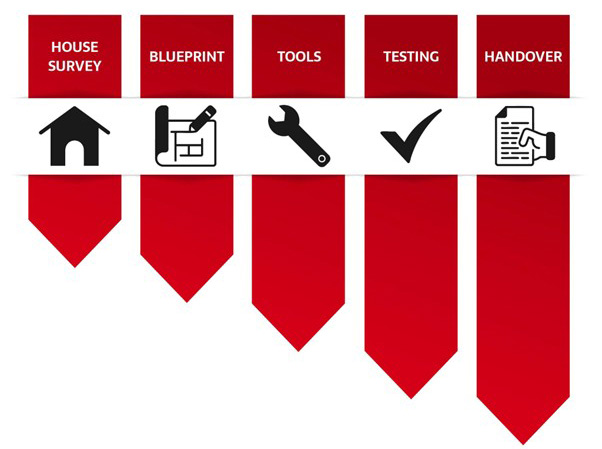
If you choose professional fire alarm installation, the process usually begins with an initial survey, where the installer inspects your home and identifies potential fire risks. From there, a tailored system design is created, mapping out alarm placement in line with BS 5839 recommendations. Once the plan is agreed the installation itself takes place, with devices mounted securely, wired correctly, and interconnected where required. Following this, the installer carries out thorough testing and commissioning to ensure each alarm works properly and communicates with other units. Finally, the system is handed over to you with clear guidance on how to operate it, along with advice on scheduling regular fire alarm maintenance and testing to keep everything running smoothly.
Fire Alarm Maintenance and Testing
Even the best system won’t protect you if it isn’t maintained. British Standards recommend weekly testing by pressing the test button on your alarms to ensure they sound correctly. Annual servicing is also recommended, ensuring a professional inspection is carried out to check batteries, writing, sensors, and system integrity. Older alarms should also be replaced every 10 years, and new technology, such as interlinked or smart alarms, may offer better protection. Neglecting fire alarm maintenance can lead to malfunctions, false alarms, or even failure to detect a fire.
Compliance and Insurance
Another key reason to choose professional fire alarm installation is compliance. In the UK, insurers may require proof that your system has been installed and maintained in line with BS 5839 standards. If you rely on a DIY setup or neglect regular servicing, your cover could be reduced or even invalidated in the event of a claim. Beyond insurance, compliance ensures your alarms meet nationally recognised safety benchmarks, giving you confidence that your home is protected to the highest standard. A professional installation provides not only reliable safety but also the documentation to satisfy insurers, landlords, and regulatory bodies.
Protecting Your Home the Right Way
When it comes to fire alarm installation, cutting corners can cost lives. DIY systems might seem appealing, but they barely meet British Standards and could leave your home vulnerable. A professional installer ensures your alarms are correctly fitted, fully compliant, and ready to protect you in an emergency. And remember, installation is just the first step. Regular fire alarm maintenance, testing, and compliance with official standards are key to ensuring ongoing home protection. By investing in a professional service, you’re not just installing alarms, you’re investing in safety, compliance, and peace of mind. Contact us today for expert fire alarm installation, maintenance, and testing you can rely on.


