 FREEPHONE
 CONTACT US
What Does BS 5839-1:2025 Mean for Fire Suppression Systems?
Fire safety legislation in the UK continues to evolve, and the release of BS 5839-1:2025 marks an important update for businesses responsible for protecting people, property, and assets.
While this standard primarily focuses on fire detection and alarm systems, its implications extend directly into the design, integration, and effectiveness of any fire suppression system.
For organisations relying on fire suppression, understanding these updates is essential, not only for compliance but also for ensuring a robust, future-proof system fire protection strategy.
What Is BS 5839-1:2025?
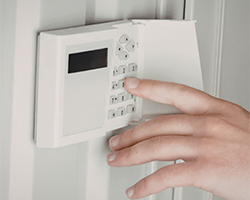
BS 5839-1:2025 is the latest revision of the British Standard governing the design, installation, commissioning, and maintenance of fire detection and fire alarm systems in non-domestic premises.
It applies broadly across:
- Commercial buildings (offices, retail spaces, hospitality)
- Industrial facilities (factories, warehouses, manufacturing plants)
- Public buildings (schools, hospitals, transport hubs)
Although it does not directly regulate fire extinguishing systems, it plays a crucial role in how those systems are triggered, integrated, and maintained. In modern fire safety design, detection and suppression systems are closely linked, meaning updates to one standard inevitably impact the other.
Why This Update Matters
The 2025 revision reflects changes in building design, occupancy risks, and technological advancements. It also responds to increased scrutiny around fire safety following high-profile incidents and regulatory reform across the UK.
For businesses, this means:
- Greater emphasis on system integration
- Stricter expectations for maintenance and documentation
- Enhanced focus on early detection and rapid response
These factors directly influence how a fire suppression system is specified and installed, particularly in high-risk or complex environments.
Key Updates in BS 5839-1:2025
1. Improved System Integration
One of the most significant changes is the stronger emphasis on integration between fire alarm systems and other safety measures, including fire extinguishing systems.
Modern system fire protection strategies must ensure that:
- Detection systems communicate seamlessly with suppression equipment
- Automatic suppression activation is correctly triggered by alarm signals
- Fail-safes are in place to prevent system conflicts or delays
This is especially critical in environments using gas suppression, foam systems, or kitchen suppression setups, where timing and coordination are essential.
2. Enhanced Risk Assessment Requirements
BS 5839-1:2025 places greater responsibility on duty holders to ensure fire detection systems are designed around detailed risk assessments.
For businesses using fire suppression, this means:
- Suppression systems must align with identified fire risks
- Detection coverage must adequately support suppression activation zones
- System design must consider building layout, occupancy, and fire load
A generic or outdated system is no longer sufficient; customisation is now a key expectation.
3. Stricter Maintenance and Testing Protocols
Routine testing and maintenance requirements have been clarified and, in some cases, tightened.
This affects fire suppression systems by:
- Increasing the need for coordinated testing between alarm and suppression systems
- Requiring more detailed maintenance records
- Ensuring systems remain operational under real-world conditions
Businesses must demonstrate that their fire extinguishing systems are not only installed correctly but also maintained to a consistently high standard.
4. Focus on System Reliability and Redundancy
Reliability is a major theme in the 2025 update. Fire detection systems must now meet higher expectations for performance under fault conditions.
For suppression systems, this translates into:
- Reliable signal transmission between the alarm and suppression controls
- Backup power supplies where necessary
- Reduced risk of false activation or system failure
A failure in detection can lead to failure in suppression, making reliability a critical component of system fire protection.
5. Documentation and Accountability
The updated standard reinforces the importance of clear documentation and defined responsibilities.
Businesses must ensure:
- Full records of system design, installation, and commissioning
- Ongoing maintenance logs
- Clear assignment of responsibility for system upkeep
This applies equally to fire suppression systems, especially where multiple contractors or systems are involved.
What Businesses Must Do to Remain Compliant
With BS 5839-1:2025 now in effect, organisations should take proactive steps to ensure compliance across their fire safety infrastructure.
Conduct a System Review
Evaluate your current fire suppression system and fire alarm setup:
- Are systems properly integrated?
- Do detection zones align with suppression coverage?
- Is the system still suitable for your current risk profile?
Update Risk Assessments
Fire risk assessments should reflect:
- Changes in building use or occupancy
- New hazards or equipment
- Updated compliance requirements under the 2025 standard
This ensures your fire extinguishing systems remain effective and legally compliant.
Upgrade Where Necessary
Older systems may not meet the integration or reliability standards now expected. Upgrades may include:
- Improved detection technology
- Enhanced control panels
- Integration with modern suppression systems
Strengthen Maintenance Procedures
Ensure that:
- Regular inspections are scheduled and documented
- Both alarm and suppression systems are tested together where required
- Any faults are addressed promptly
Work with Certified Professionals
Compliance is not just about equipment; it’s about correct design, installation, and ongoing support. Partnering with experienced fire protection specialists is essential.
How Snowdonia Fire Protection Can Help
Navigating updated regulations like BS 5839-1:2025 can be complex, particularly when dealing with integrated system fire protection solutions.
Snowdonia Fire Protection supports businesses across commercial and industrial sectors by providing:
- Expert design and installation of fire suppression systems
- Integration with compliant fire detection and alarm systems
- Ongoing maintenance and servicing to meet regulatory standards
- Tailored solutions based on your specific fire risk profile
Whether you operate a manufacturing facility, commercial kitchen, data centre, or warehouse, having a professionally installed and maintained fire extinguishing system is critical for both safety and compliance.
Final Thoughts
BS 5839-1:2025 represents a shift towards more integrated, reliable, and accountable fire safety systems. While its primary focus is on detection and alarms, the knock-on effects for fire suppression are significant.
Businesses must now think holistically about their fire safety strategy, ensuring that detection, alarm, and suppression systems work seamlessly together. By reviewing existing systems, updating risk assessments, and working with trusted specialists like Snowdonia Fire Protection, organisations can not only meet compliance requirements but also enhance overall safety and resilience.
In today’s regulatory landscape, a well-designed fire suppression system is no longer optional; it’s an essential part of modern system fire protection.


